The crop goes out and the money comes in. Then the lender is
paid, the workers are paid, the shop that gave you fertiliser on
credit is paid — and what is left is less than you thought it
would be. Ask which part of the year took it and nobody can
answer. Not the trader, not the shop, not the bank. You stood in
that field every day of the season, and you cannot answer it
either.
You have a feeling, of course. That the wages ran high in June.
That the plot near the road has not paid for itself in years.
That the block you replanted still owes you. A feeling is not a
figure. And by the time you would sit down with the diary and
the bundle of slips and work it out properly, it is sowing
again, and the same money is going out the same way.
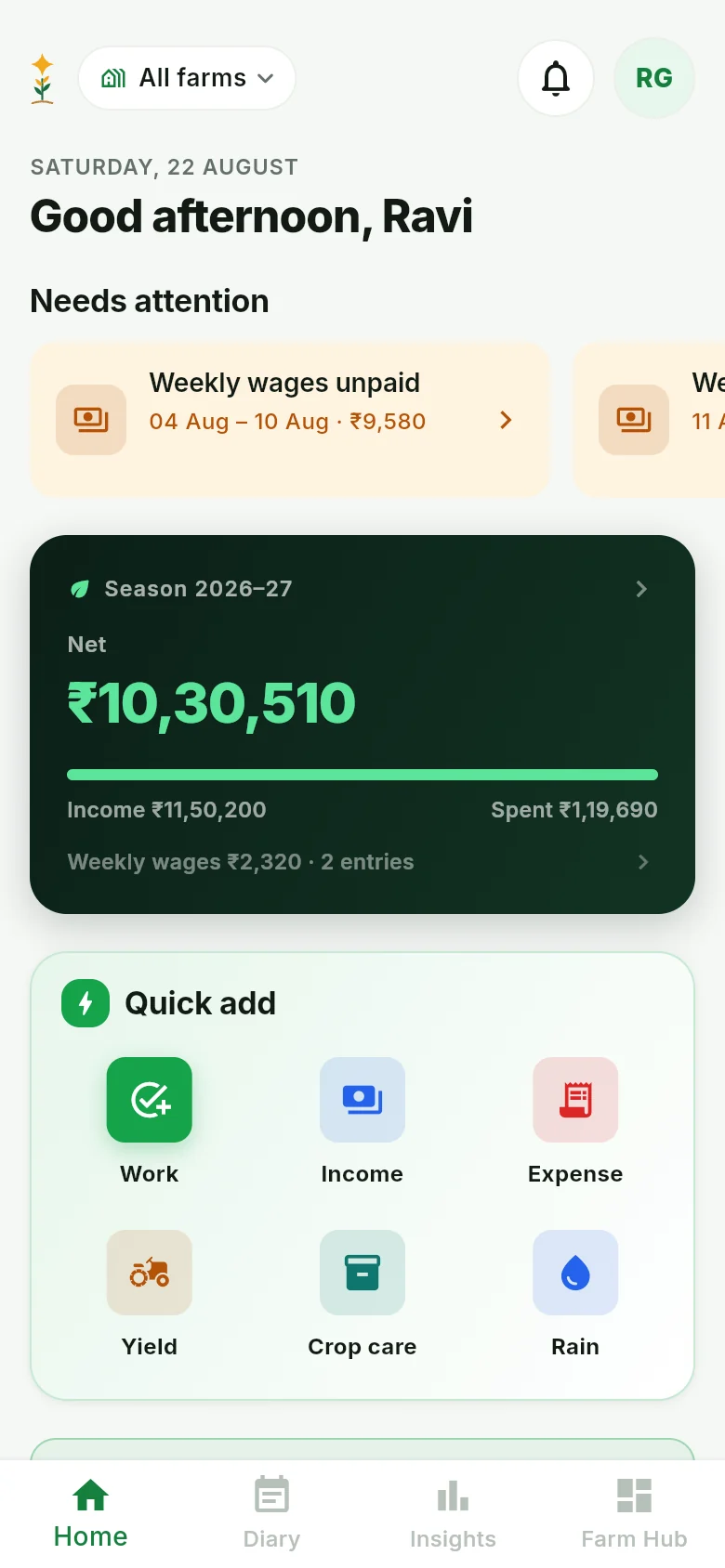
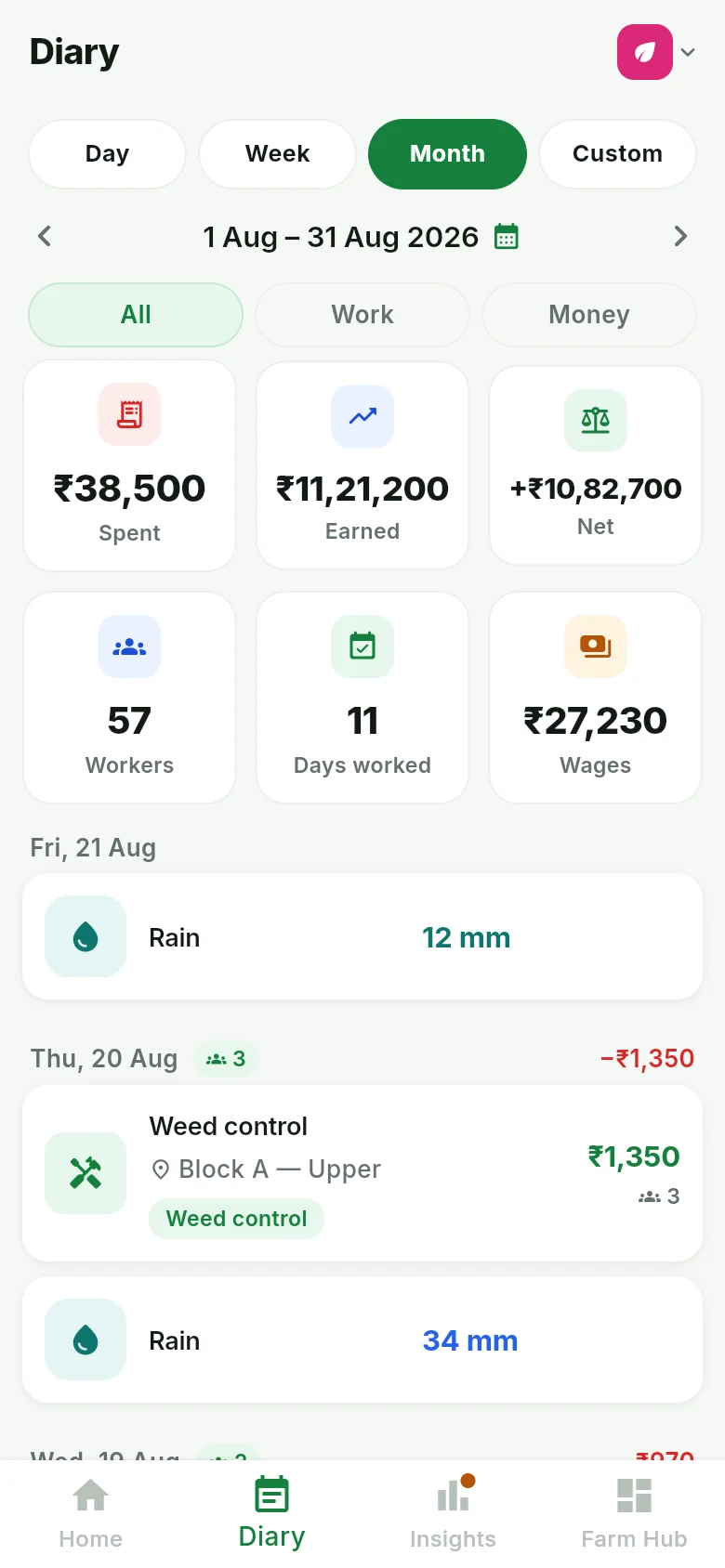
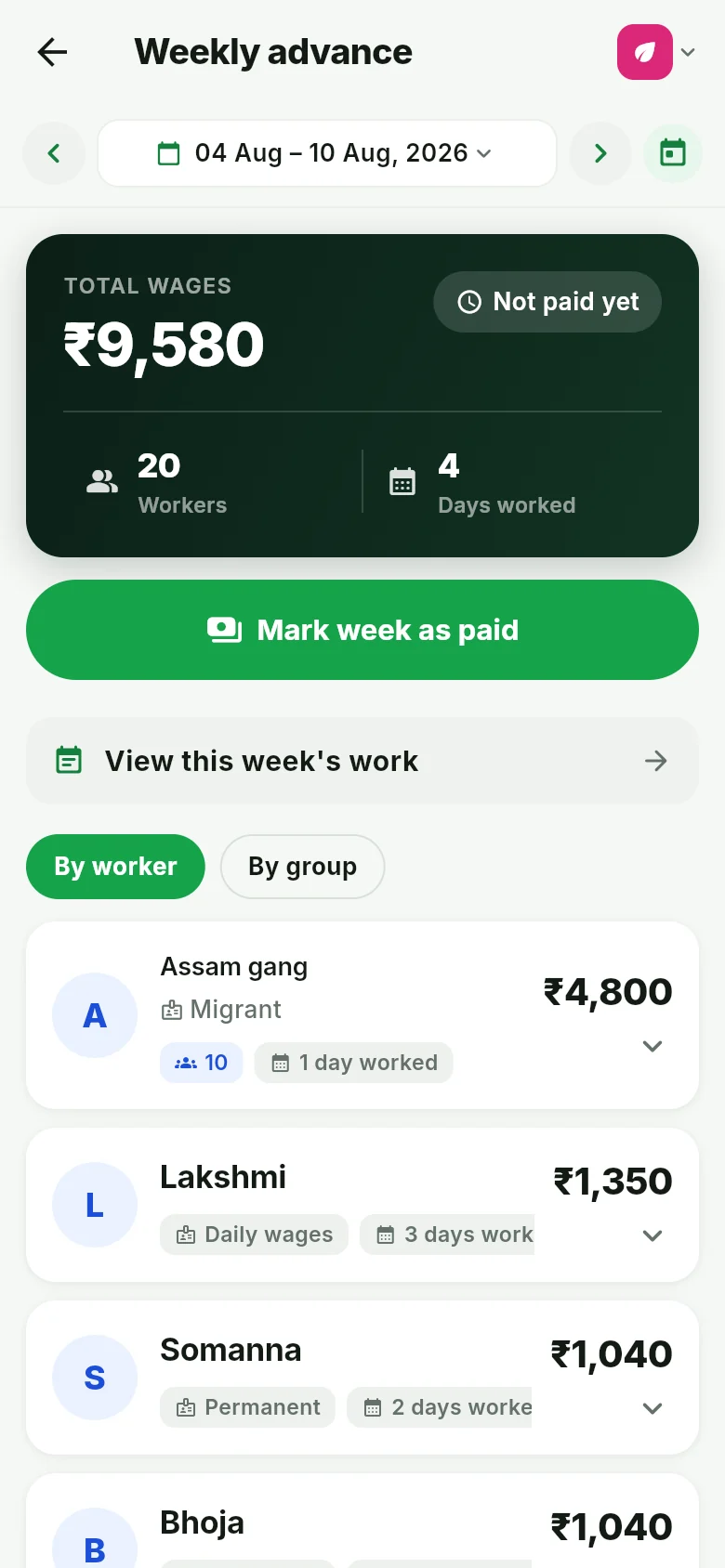
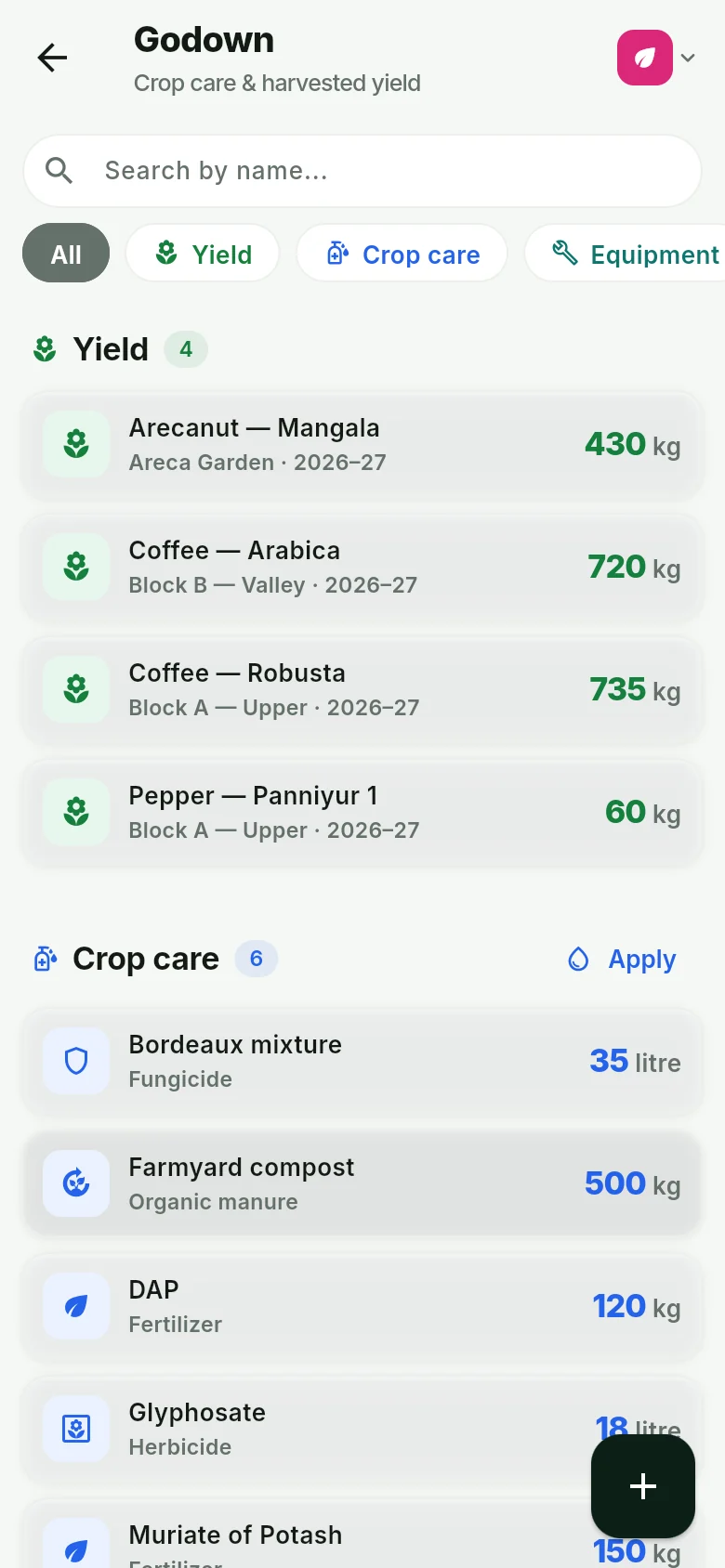
So Kritaare asks you for the day, not the year. Eight workers on
Tuesday. A bag of fertiliser somebody fetched on the way back.
The pump rewound after the rains. Two days of hired tractor. You
write the day down as it happened — a minute in the evening, in
the field or on the way home from it. That is the whole of what
it asks.
What it gives back is the adding up you were never going to sit
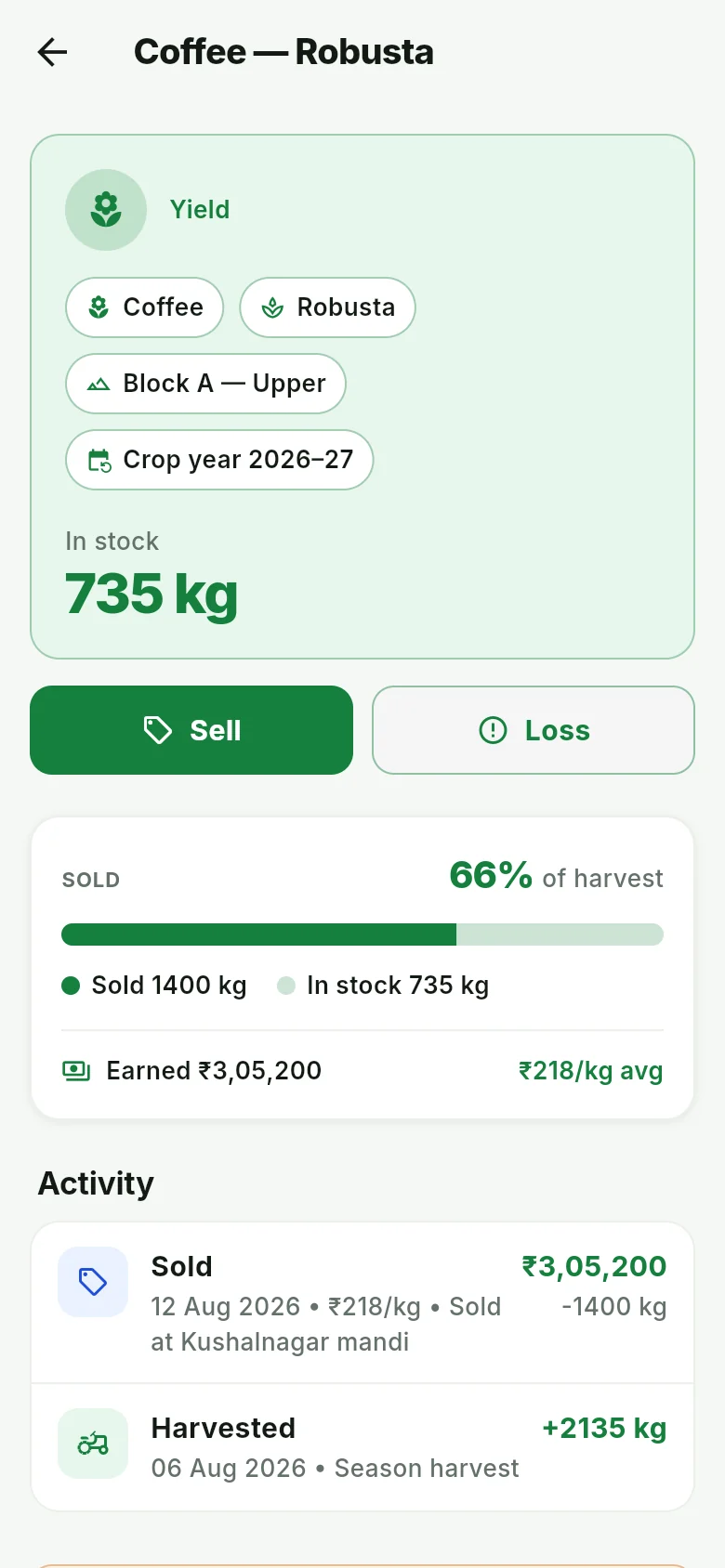
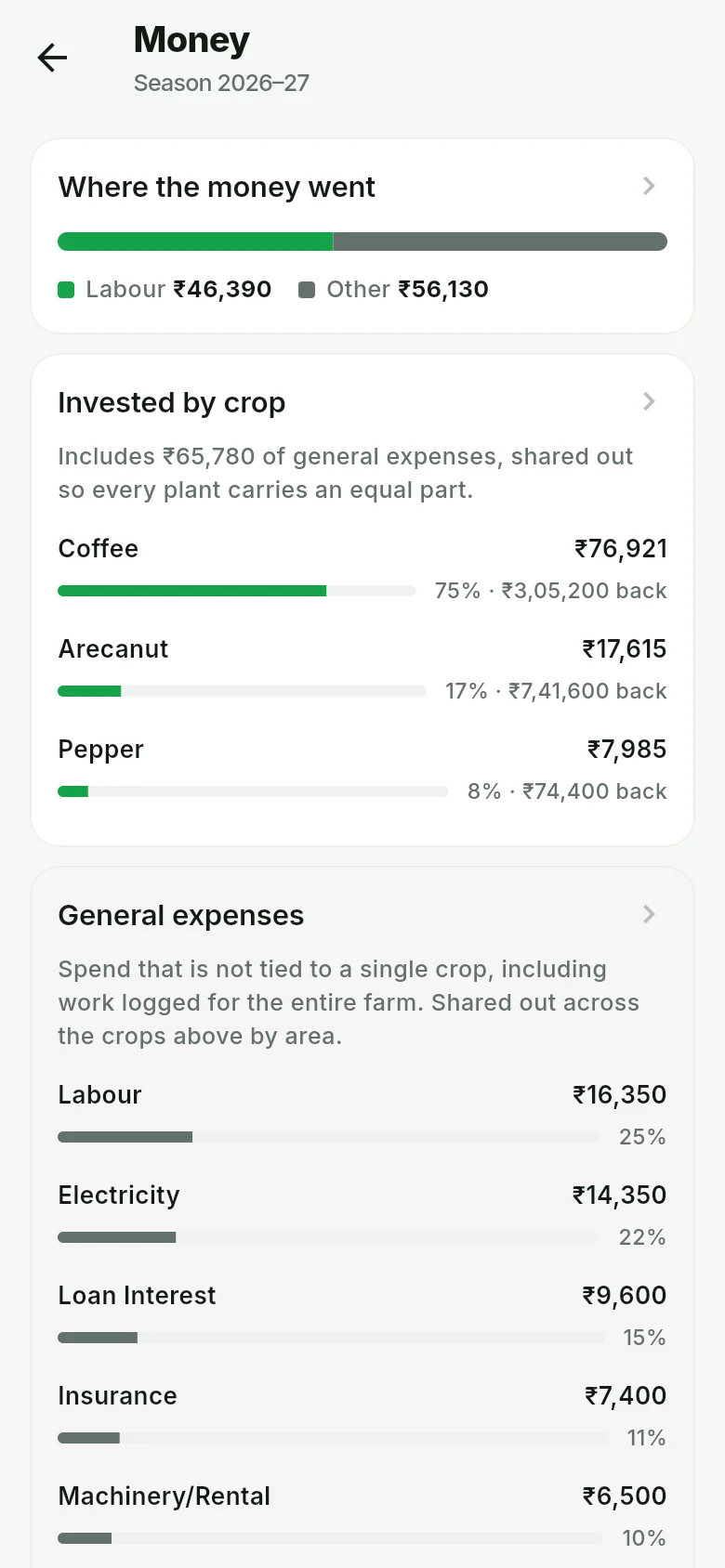
down and do. What a kilo of your crop cost you to grow. Which
plot paid for itself, and which one the others have been
carrying. Whether labour was half your season or two-thirds.
Your own days, added up — not a district average, not a guess —
on the day you ask, while the season is still running and there
is still something you can do about it.
Every other figure in your season is worked out somewhere else.
The price, at the other end of the table. The interest, at a
desk in town. The advice, addressed to a whole district — to
soil nobody sampled, about a plot nobody walked. Kritaare exists
so that one set of figures in all of that is yours, and in your
hand.
It will not tell you how to farm. You know the crop. It turns a
light on the part of the season you were never going to add up.
What you do about it stays yours.
It does not fix everything a farm faces, and anyone promising
that in a single release is selling something. So it is taken
one problem at a time, in the order a farm actually feels them,
beginning with the one a phone can settle today: what the crop
cost to grow. Not charity, not advice from above, not a subsidy
— an even table. The figures already belong to you. They have
simply never come back to you in time to be any use.
The next problem gets the same treatment. Argued out with people
who farm for a living, built to survive a working day in the
field, and written about here only once it is real.
This is not a record book with ambitions attached: the person
standing in the crop should be the best-informed person in the
trade, and the record book is only where that starts.
The order of the work is public.